Founder to Builder Workshop — September 22–23, 9:00 AM–1:00 PM each day Get Tickets & Pricing →

Dan Garrett PRISM Founding AI Consultant

Lehigh Valley, PA

I build things. Products, teams, and now AI systems.

Two co-founded companies, a career in pro audio sales and leadership, and a second act building AI systems for small businesses through PRISM AI Consultants. This is the short version of that story.

Get in Touch My Original Music Below ↓
Dan Garrett

At a glance

  • Early adopter of ARP Instruments synthesizers
  • Among the first ten employees of Ensoniq
  • Co-founded Aviom & Pivitec (VC-funded)
  • VP Global Sales, The MUSIC Group, Luxembourg
  • PRISM Founding AI Consultant
  • Member BNI Bethlehem 1 — AI Consultant

About me

Where I've spent my time

My career in keyboard technology and pro audio started as a player — I owned ARP 2600 serial number 69, the first one sold in Washington, D.C. That turned into a sales rep role at ARP Instruments, then National Sales Manager. From there I moved through Korg and Sequential Circuits as a Sales Rep before landing at Ensoniq as VP Sales, employee #9. Fifteen years later in 1998, as VP Sales and Marketing, the company went through a major acquisition — a formative lesson in building through change. After Ensoniq came Line 6, then co-founding two VC-funded companies, Aviom and Pivitec, and later moving to Luxembourg and leading global sales as VP at The MUSIC Group, which was great. Altogether I've done business in and traveled to 47 countries. That's a long way of saying I've spent decades figuring out how to build something real and get it in front of the people who need it.

In 2025 I discovered what AI could actually do, and it changed how I think about my next chapter. Decades of building and managing companies gave me a sharp eye for workflow and process problems — and I've found AI to be a genuinely powerful tool for solving them, when it's implemented properly.

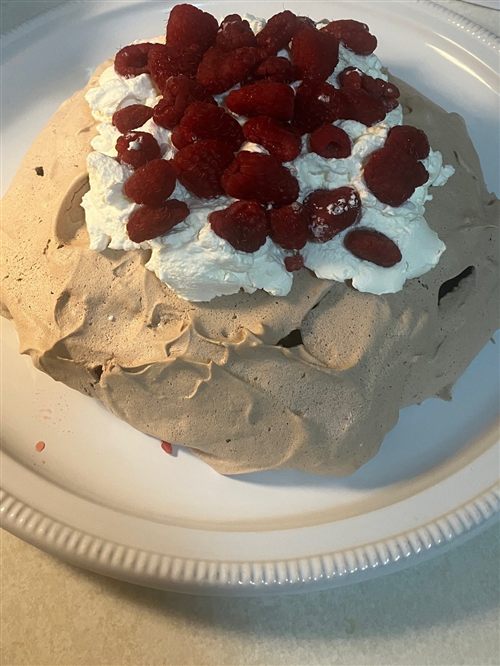
Outside of work, I compose original music and use AI audio tools like Suno to keep building on the creative side. I also still love cooking — especially desserts.

A chocolate pavlova topped with whipped cream and fresh raspberries
My Chocolate Pavlova -- YUM!!

Recipe available upon request.
(email link below).

Career

The path here

A young Dan Garrett singing and playing an ARP 2600 synthesizer on stage

ARP Instruments

From a rock band to Midwest sales rep, armed with deep product knowledge. Built that territory to #1, then moved to New York to handle some of the biggest accounts in the music business. Not long after, I was asked to be National Sales Manager.

Korg

Kept building a career in keyboard technology sales.

Sequential Circuits

Continued growing in the pro audio and keyboard technology world.

Dan Garrett with an Ensoniq VFX-SD synthesizer, mid-1980s

Ensoniq

Joined as employee #9 in the early days; the company was acquired 15 years later, in 1998 — a lesson in building through change over the long haul.

Line 6

Moved into guitar and modeling technologies. Sales territory included Latin America, Central and South America, Oceania, and Asia.

Aviom

Co-founder and VP Sales and Marketing of this VC-funded company. We built personal monitoring mixing systems for musicians and audio professionals.

Pivitec

Co-founded a second VC-funded pro audio company, applying the lessons from the first.

The MUSIC Group

Led global sales as VP, taking products to markets worldwide — a role that included relocating to Luxembourg.

What I'm building now

PRISM AI Consultants

A lot of it comes down to sitting one-on-one with someone, understanding where their day actually goes, and helping them get real time back — not just installing software and walking away.

These days I build custom AI systems for small and mid-sized businesses — 10 to 50 people — focused on giving their teams back the hours lost to repetitive, manual work. Most of that work starts through BNI Bethlehem 1, where I hold a PRISM Certified AI Consultant credential and serve as the chapter's AI Consultant for Advertising & Marketing.

PRISM AI Consultants is my full-time focus. This site, dangarrettconsulting.com, is my personal home on the web — the story, the career, the music. For the business itself — services, workshops, and booking — head to PRISM AI Consultants directly.

Visit PRISM AI Consultants

Where I'm headed

  • Growing the client base built through BNI referrals
  • Finding clients beyond BNI through direct outreach
  • Keeping one foot in the creative work — music and AI audio

What clients say

Testimonials for PRISM AI Consultants

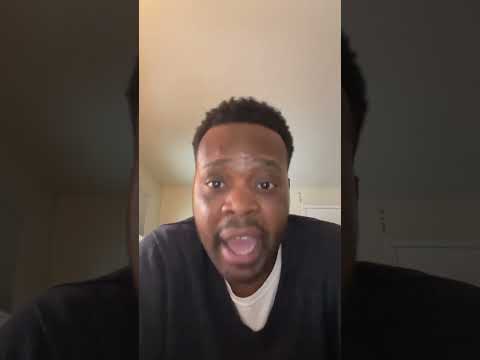
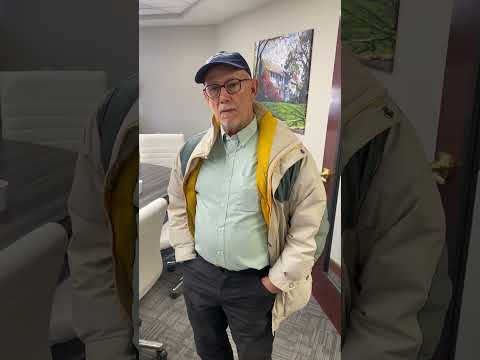
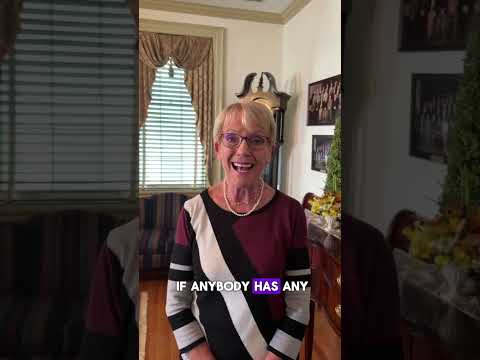
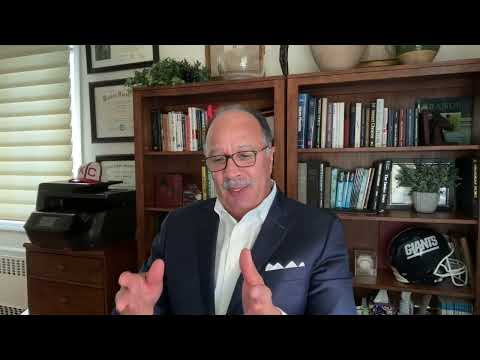
The testimonials highlight the impact of PRISM's AI programs across various industries. Alan Babbitt from financial services praised the 10-week mastery program for enhancing his professional and personal life. Rob created a website in two hours using AI tools. Nancy Devers from legal practice praised PRISM's interactive AI workshops. Michael Leia from real estate noted significant efficiency gains and ROI from AI implementation.

Real Estate

High ROI operations rebuilt around AI

Michael Leia saw significant efficiency gains and measurable ROI after rebuilding his real estate operations around AI.

Small Business

Working website built in two hours

Rob built a fully working business website in just two hours using AI tools — no coding experience required.

Legal Practice

AI tools for a working law firm

Nancy Devers said PRISM's interactive AI workshops gave her law firm practical tools her team could put to use right away.

Financial Services

Whole-team AI rollout

Alan Babbitt completed PRISM's 10-week AI mastery program and said it enhanced both his professional and personal life.

Time savings

Time savings questionnaire

Check what's eating time on your team every week, add the hours and the hourly cost, and see what that adds up to over a year.

Dan Garrett

From the field

Blog

Founder to Builder: What I Learned Building My Own Website in a Weekend

Last weekend (July 25th and 26th) I spent two days in a room in Allentown (plus a live Zoom room full of people dialing in from as far as Los Angeles and Mobile, Alabama) for the first-ever "Founder to Builder" workshop, run by Dr. Jeff Bullock. The premise was simple and a little intimidating: show up non-technical, leave with actual working software for your business. Not a plan. Not a mockup. A real system, built by you, by Sunday.

I'd been working with Dr. Jeff for about two months at that point, and this personal site — the one you're reading this on — is the direct result of what I built that weekend using Claude Code and VS Code.

It wasn't a lecture — it was a room full of people building live

The format was the whole point. A little bit of setup, then hours of hands-on building, with breakout rooms for anyone who hit a technical snag. If your install broke or you got lost, you got pulled into a side room with a coach one-on-one until you were unstuck, then dropped back in. Nobody sat and watched a slideshow for two days.

That structure mattered more than I expected. A room full of complete beginners — a pharmacist, a restaurant owner, a photographer — all building in parallel, all hitting different walls, all getting unstuck in real time. Watching someone else's build succeed (or watching them ask the exact question you were too embarrassed to ask) turned out to be half the value.

The wins in the room were the real pitch

Before anyone touched a keyboard, we went around and talked about what people had already built in the weeks leading up to the workshop. A few stuck with me:

  • One team member had cut an audiobook quality-check process from roughly 20 hours down to about 8 minutes.
  • Another had built what amounted to a book-publishing assistant — taking a manuscript from draft to a formatted, published book in about an hour.
  • Someone else had built a tool that turns a folder of photos into a finished short video in seconds, instead of the hour it used to take bouncing between apps.

My own answer, when it came around to me: using Claude, I'd shaved about an hour and a half off every single BNI one-to-one meeting I do. That's not a hypothetical — that's real time back, every week, from one small workflow change.

Watching a build happen from zero

The core of the day was watching one participant build their business site from scratch, live, screen-shared for the whole room. A few things from that stuck with me:

Read what it tells you. The instruction that came up again and again: don't just let it run and skip past the summary when it finishes a task. Read the plain-English explanation of what it did and why. You don't need to understand the technical commands — but you do need to read the reasoning, because that's how you catch mistakes and actually learn what's happening to your own project.

Memory is what makes it feel like it knows you. A recurring frustration with AI tools is having to re-explain yourself every session. The workshop spent real time on this: giving the tool a written memory file with your goals, your business, and your context, so it stops treating every conversation like the first one. Once that's set up, the difference is immediate.

Security doesn't happen by default — it happens because you ask. Every project, more than once: is this secure, is it exposing anything it shouldn't? Ask directly and it gets fixed. That question is now a standing part of how I build.

Then we put music on our own websites

Near the end of the day, the group worked through adding original AI-generated music to their new sites — download the track, tell the tool where to find it in your downloads folder, ask it to wire up a player, then ask for it to actually work when clicked instead of just sitting there. Small thing, but it's the same idea as everything else that day: describe what you want in plain language, read what comes back, ask again until it's right.

If you've clicked play on anything in the music section of this site, that feature exists because of that exact exercise.

What I'm taking into the rest of my build

The workshop closed with a simple piece of advice that's stuck with me since: you don't know what you don't know, and that's fine — ask the question when you hit the wall instead of pretending you understand. That's basically how this entire website got built, one honest "wait, what does that mean?" at a time.

PRISM has set the dates for the next Founder to Builder: September 22–23, 9:00 AM to 1:00 PM each day. I'd highly recommend it — and it's worth repeating: you don't need any prior AI skills to attend. That's the entire point. Founder to builder, not coder to builder.

If you're a small business owner sitting on an idea for a website, a booking tool, or some workflow that's eating hours out of your week every month — this is exactly the kind of gap PRISM AI Consultants exists to close. Book a free session and let's talk about what's possible for your business.

Plain English: Four Terms That Kept Coming Up in a Client's Ad Audit

I've been working through an ad account audit for a client lately — the kind of project where you're reading reports and proposals full of terms that sound intimidating but usually aren't, once someone explains them once. I asked Claude to walk me through a handful of them as they came up, and it seemed worth writing down here in case you run into the same terms and want the plain-English version instead of the marketing-speak one.

Meta Ads audit

A review of a Facebook/Instagram ad account to see how it's actually performing and where money might be getting wasted — things like account structure, who the ads are being shown to, whether the creative is stale, and whether the tracking is even set up correctly to measure results in the first place. The output is usually a written report: what's working, what's broken, and what to do about it.

One thing worth knowing: a "free Meta Ads audit" offer is also a common way agencies get a foot in the door before pitching ongoing ad management. The audit itself can still be genuinely useful — just worth knowing the incentive behind it.

Native bot filtering

Shopify now tags every visit to a store as either a real human or a bot — crawlers, scrapers, and other automated traffic that was never going to buy anything. Turning that filter on means your traffic and conversion numbers reflect real visitors instead of noise. It's a built-in setting, not a paid app, and it only applies going forward, not retroactively.

Microsoft Clarity

A free tool that shows how people actually behave on a site, not just how many showed up. It includes session recordings (literal replays of a visitor's mouse movement, scrolling, and clicks), heatmaps, and flags for "rage clicks" — when someone clicks repeatedly out of frustration because something's broken or unresponsive.

Heatmap

A visual overlay on a webpage showing where people click, scroll, and look, using color instead of raw numbers — red or orange for a lot of activity, blue or cool colors for little to none. Instead of watching visitor sessions one at a time, a heatmap aggregates many visitors into one picture, which is a fast way to spot something like a button nobody's clicking or a section of the page most people never scroll far enough to see.

None of these are complicated once you've heard them once — that's most of what I keep relearning about this AI-assisted way of working. Ask the plain question the moment you hit an unfamiliar term, and it stops being intimidating. If you're staring down a pile of marketing jargon of your own, book a free session and we'll work through it together.

Five Stages for Prompting

New

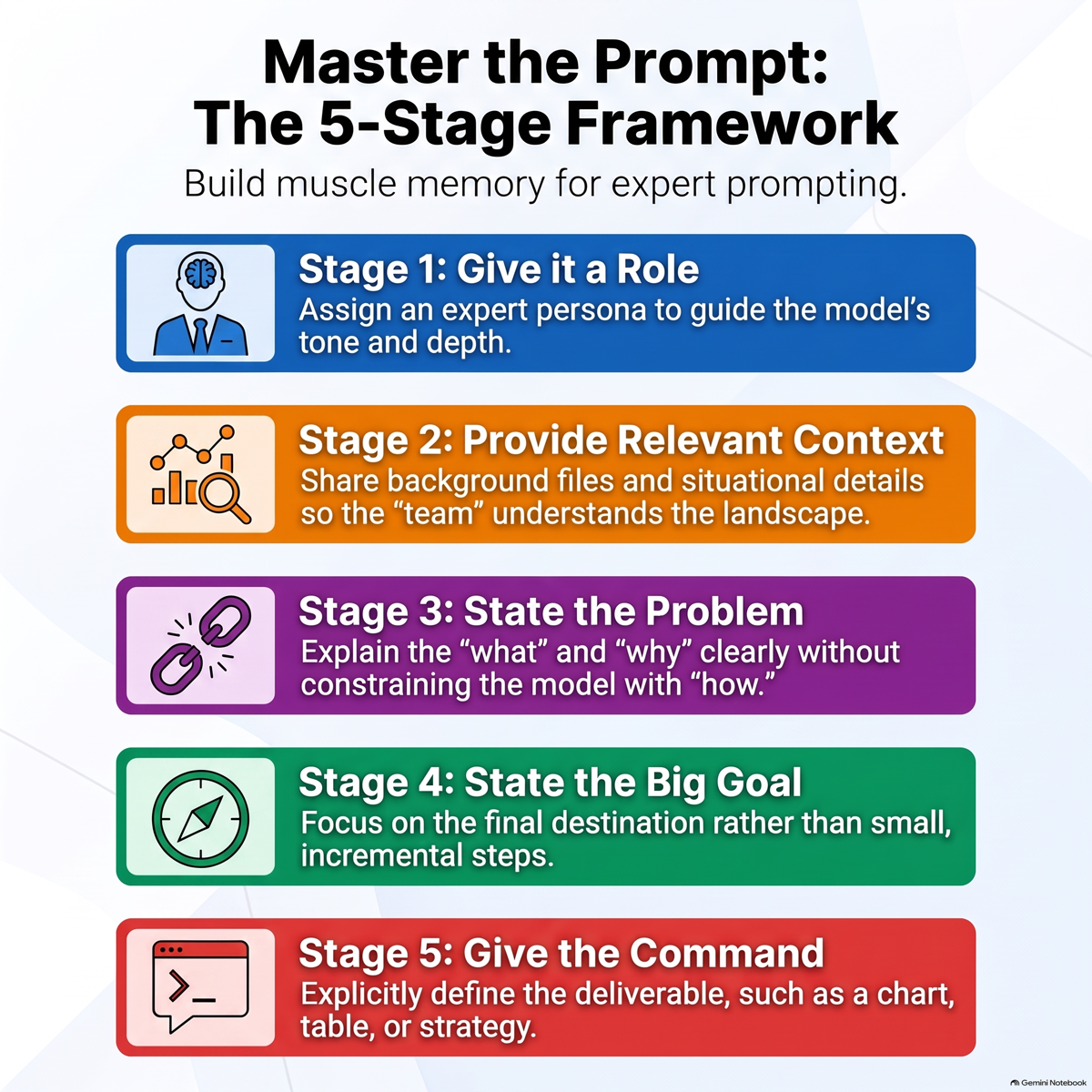
One framework I keep coming back to when I'm prompting Claude is what I call the five stages for prompting. It's not a fill-in-the-blank template so much as a way of thinking through what you're actually asking for before you type it. Here's the breakdown, mostly the way I say it out loud when I'm working through it myself.

  1. Give it a role. Which expert (or experts) do you need? Think of Claude as a team of PhDs waiting on your instructions — real experts on just about everything.
  2. Give relevant context. Introduce yourself and the situation. Your team of experts doesn't know who you are yet, so this is where the files, the background, and the situation go.
  3. State the problem. Be clear on the what and the why — explicitly not the how. People have been solving problems their own way for so long that they unconsciously constrain the model with their own process assumptions. There might be a hundred ways to do it — don't constrain it to yours.
  4. State the goal. The big goal, not the next small step. People default to thinking small and describing one step toward the goal instead of naming the actual destination. Think big.
  5. Give the prompt or command. The actual deliverable — a chart, a table, a strategy, whatever you're expecting to get back.

Not all five carry equal weight. Role is the one you can most often skip without hurting the output — leave it out and you'll probably still get what you need. But I still say it out loud every time I'm working through this with someone new. The point isn't that every step is equally load-bearing — it's building the muscle memory of the full framework, even on the step that matters least.

If you want to run through this on your own prompts instead of just reading about it, book a free session and we'll work through it together.

Upcoming

Founder to Builder Workshop

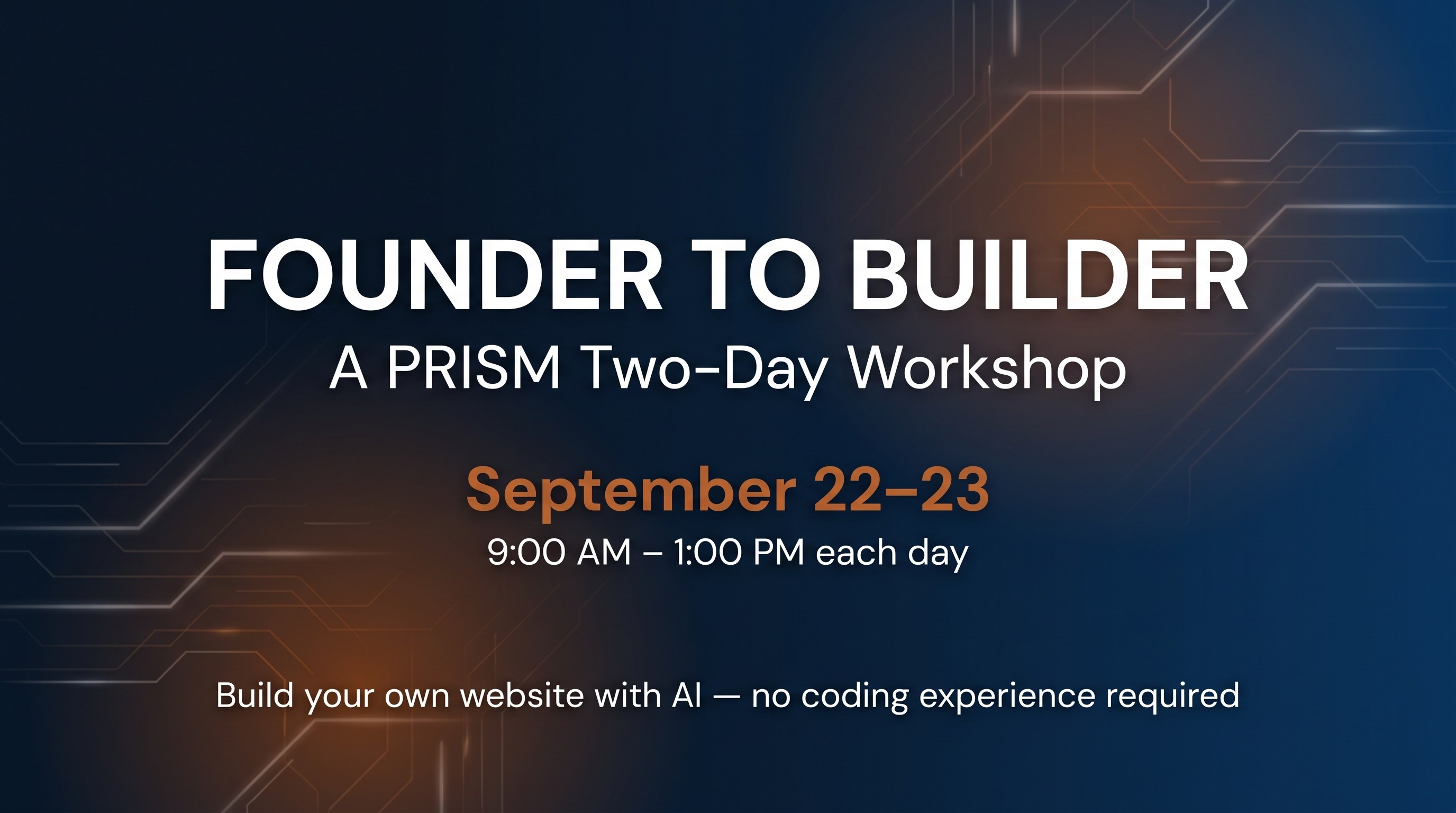
Founder to Builder: A PRISM Two-Day Workshop, September 22-23, 9:00 AM to 1:00 PM each day. Build your own website with AI, no coding experience required. Get Tickets & Pricing →

New

Podcast

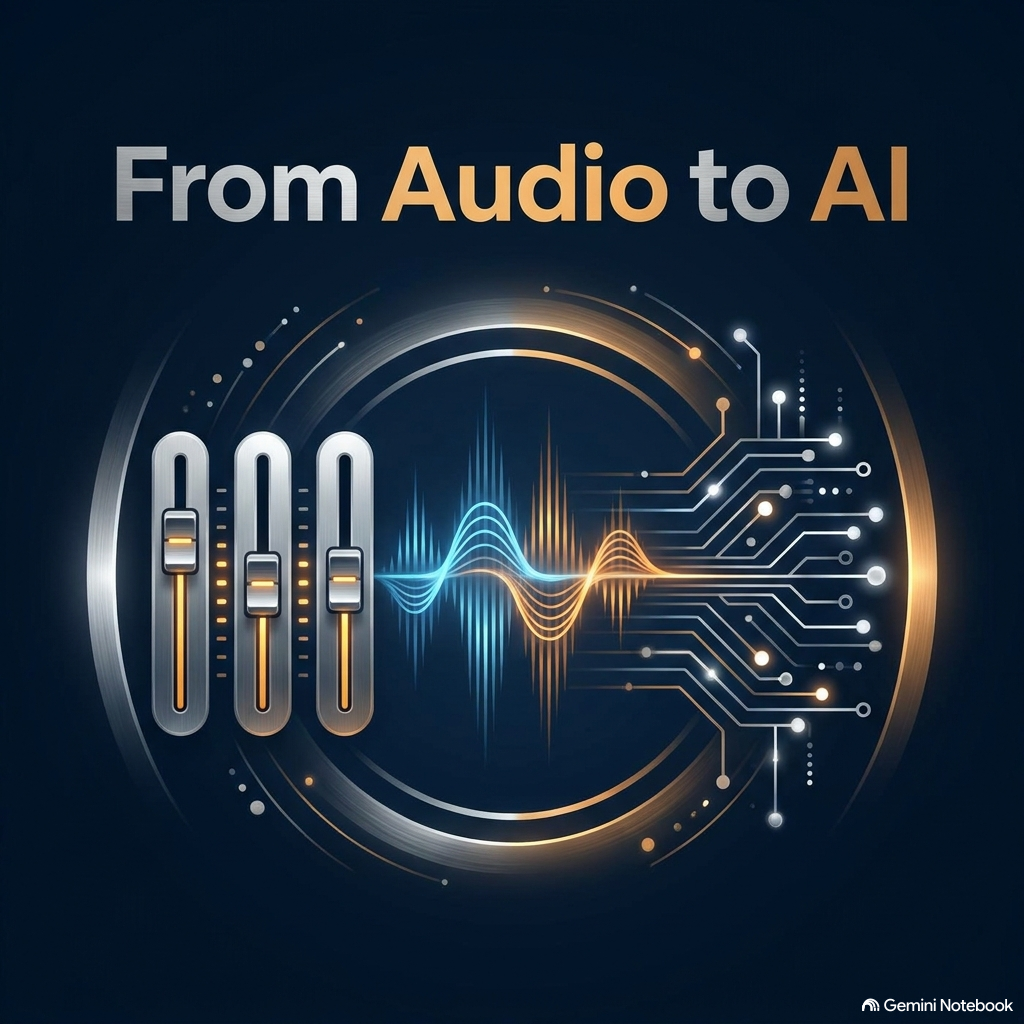
From Audio to AI podcast cover art

From Audio to AI

Episode 1

0:00 0:00
Master the Prompt: The 5-Stage Framework infographic

Master the Prompt

Episode 2 — Define Your Exact AI Deliverable

0:00 0:00

The creative side

My Music and AI Audio

I experiment with AI audio tools like Suno.
A habit from decades of music performance and touring that never really went away.
Lyrics and Artistic Influence by Dan Garrett.
Audio and Production by Suno AI.

Cover art for "Brass City Bread"

Brass City Bread

0:00 0:00
Cover art for "Easy Does It"

Easy Does It

0:00 0:00
Cover art for "Built to Rise"

Built to Rise

0:00 0:00
Cover art for "Velvet Afterglow"

Velvet Afterglow

0:00 0:00
Cover art for "Reaching"

Reaching

0:00 0:00
Cover art for "This Time It's Me"

This Time It's Me

0:00 0:00
Cover art for "Sunlight"

Sunlight

0:00 0:00
Cover art for "Shadows and Memories"

Shadows and Memories

0:00 0:00
Cover art for "Power of Choice"

Power of Choice

0:00 0:00
Cover art for "Brahms' Lullaby"

Brahms' Lullaby

Performed by Dan

0:00 0:00
Cover art for "Dance Etude"

Dance Etude

Composed and Performed by Dan

0:00 0:00

Common questions

FAQ

Who is Dan Garrett?

Dan Garrett is the founding AI consultant at PRISM AI Consultants, based in the Lehigh Valley, Pennsylvania. Before AI consulting, he spent decades building products and leading sales teams in pro audio and music technology, including roles at ARP Instruments, Ensoniq, Line 6, and as co-founder of Aviom and Pivitec.

What does PRISM AI Consultants do?

PRISM AI Consultants builds custom AI systems for small and mid-sized businesses, roughly 10 to 50 people, focused on giving teams back time lost to repetitive, manual work. Rather than installing generic software, PRISM works one-on-one with business owners to understand their actual workflows first.

What size businesses does PRISM AI Consultants work with?

PRISM typically works with small and mid-sized businesses in the 10-to-50-employee range, most of them found through Dan Garrett's BNI Bethlehem 1 chapter, where he serves as the chapter's AI Consultant for Advertising and Marketing.

How do I get started with PRISM AI Consultants?

The first step is a free PRISM Workflow Audit, a one-on-one session to map out where your team's time is actually going. You can book a session directly through the Calendly link on this site, or visit prismaiconsultants.com for more information.

What is the Founder to Builder workshop?

Founder to Builder is a hands-on workshop where non-technical business owners learn to build their own website using AI tools, with no prior coding or AI experience required. The next session runs September 22 to 23, 9:00 AM to 1:00 PM each day; see the Blog section on this site for details.

Does Dan Garrett do anything besides AI consulting?

Yes. Dan also writes original music and uses AI audio tools like Suno for audio and arrangement, drawing on decades of experience as a musician and performer. Several tracks and a podcast are playable on this site.

Get in touch

Let's talk

Your info is only used to get back to you — never sold or shared.

Reach out

Or email dan@prismaiconsultants.com, connect on LinkedIn, or book time directly.

Book Time on Calendly